
Meet the Experts Behind bitBiome
In preparation for the upcoming 10th Microbiome AgBioTech Summit, we caught up with bitBiome, to discover why they have prioritized partnering with this meeting.
Deep dive into their insights below and be sure to save your spot to join bitBiome this June in Raleigh.

What excites you most about participating in the 10th Microbiome AgBioTech Summit this year?
At bitBiome, we are especially excited to showcase how single-cell sequencing can fundamentally expand the discovery pipeline. Soil is one of the most complex biological systems on Earth, yet the vast majority of its microbial diversity remains genetically inaccessible.
Being part of this summit allows us to move the conversation beyond, what can we culture, to what does the full genetic landscape enable. The shift from cultivation-limited discovery to genome-first exploration is where the next wave of innovation will come from.
The agricultural biologics space is evolving rapidly, what conversations are you most looking forward to having with fellow innovators and developers at the event?
With agricultural biologics moving from empirical discovery towards predictive biology, we are eager to engage with innovators who want to leverage deep genomic data, especially from uncultured organisms, to design more targeted, effective, and field-resilient solutions.
The biggest step change will come from combining high-resolution single-cell genomics with downstream functional validation, rather than relying on bulk metagenomics or cultivation alone.
What makes this year’s conference particularly timely for the agricultural biologics industry?
The industry stands at a critical inflection point. Growers are demanding sustainable alternatives. Regulatory pressures are increasing while awareness is growing among growers and consumers alike that many current pesticides carry significant ecological costs. Large agbiotech companies are actively investing in biological pipelines. And yet, hit rates in discovery remain challenging, with most discovery efforts confined to a small and repeatedly sampled portion of microbial diversity.
What makes this moment timely is that enabling technologies, especially single-cell genomics, are finally mature enough to access the 90%+ of soil microbes that conventional methods miss. That dramatically expands the searchable innovation space.
The question is no longer whether microbiome solutions work; it is how effectively we can discover and scale them.
Looking ahead, how do you see microbiome science reshaping sustainable agriculture over the next decade, and what role do partnerships play in accelerating that future?
Over the next decade, microbiome science will transition from descriptive to predictive.
We expect to see:
- Genome-informed design of microbial consortia
- AI-assisted identification of functional gene networks
- Precision biopesticides with defined molecular mechanisms
- Region-specific biological solutions tailored to soil ecology
But no single organization can do this alone. Discovery platforms, field validation partners, formulators, and global distribution networks must work in concert. Partnerships are not optional; they are the acceleration mechanism.
At bitBiome, we see our role as expanding the foundational genomic dataset that fuels the entire ecosystem. By unlocking previously inaccessible microbial diversity, we help the industry move from searching in the dark to navigating with a detailed genetic atlas.
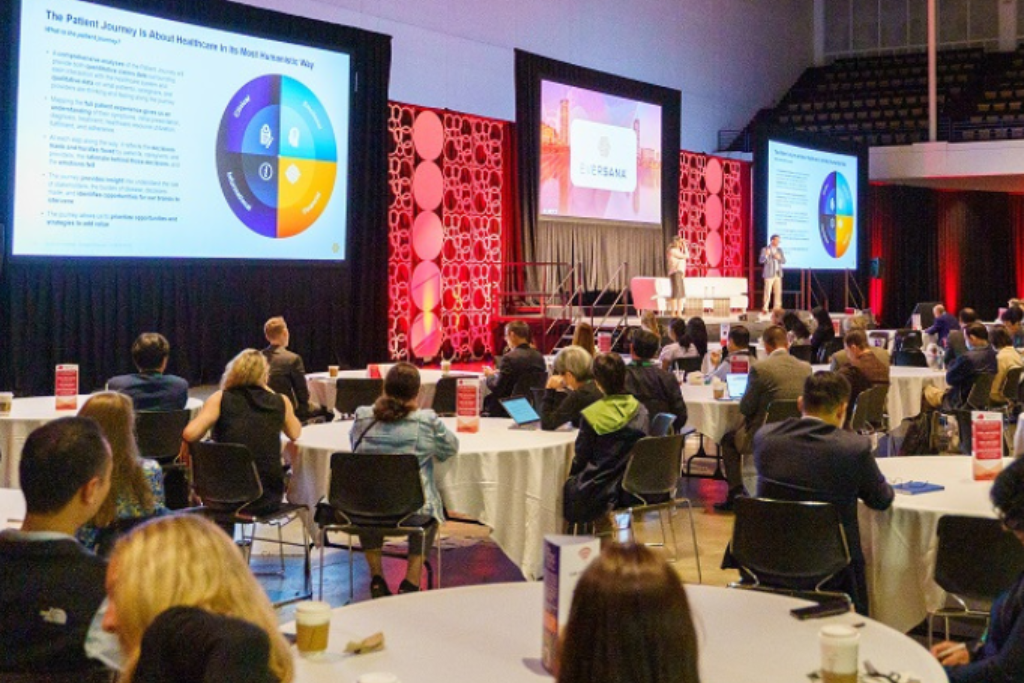
Explore the Agenda
Gain inside access to the regulatory perspectives shaping tomorrow’s market and immerse yourself in high-impact roundtables and panel debates, designed to deliver practical, actionable insights.
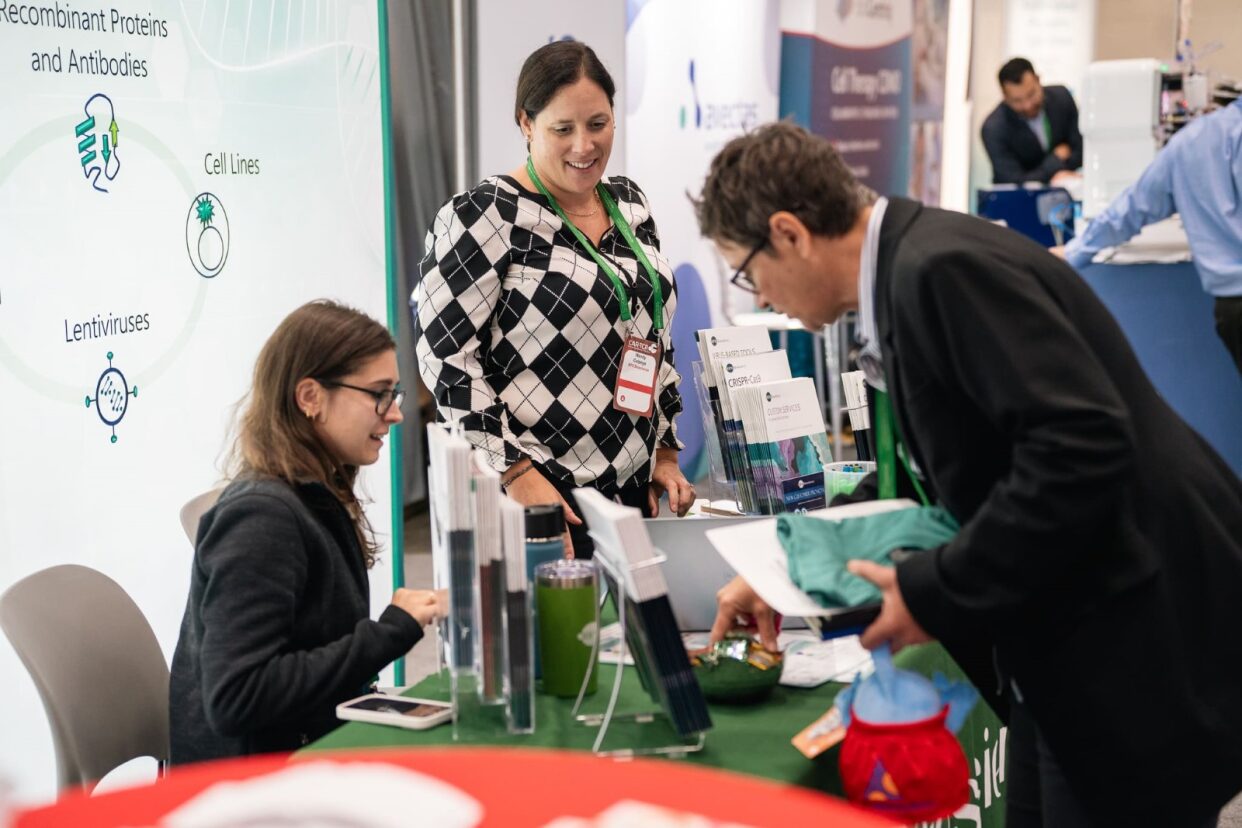
Prioritize Partnership
Spotlight your solution to the industry’s most influential agbiological developers to elevate visibility, credibility and relevance to a market hungry for scalable, trusted and field-ready technology providers.
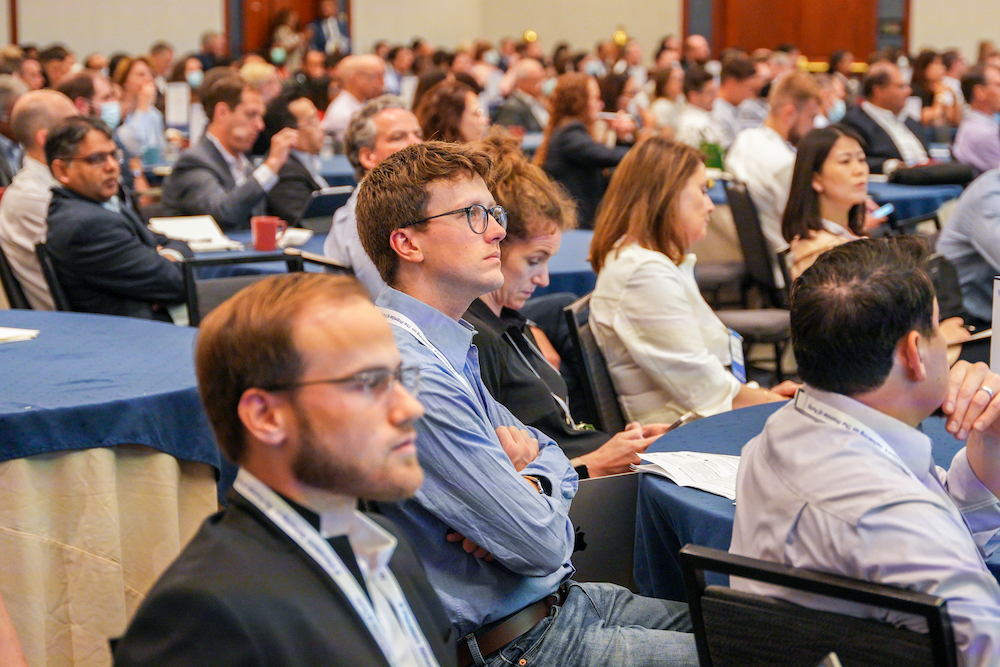
Unite with Industry Experts
Step into the conversations driving agbiological development and engage with researchers, developers, agronomists, and industry leaders, across every stage of the biological product lifecycle.