
Drew Wolter, BSIN & Technical Development Manager, UPL
With the 10th Microbiome AgBioTech Summit fast approaching, our team spoke to Drew Wolter, UPL, to better understand his reasonings for participating in this year’s meeting.
Visit our registration portal to discover how you can join Drew and 80+ agbiotech leaders this June.
What are you most looking forward to at this year’s Microbiome AgBioTech Summit?
I’m looking forward to engaging in grounded, technically honest conversations about how microbiome technologies are transitioning from promise to dependable, scalable field solutions.
This forum consistently brings together experts across R&D, product development, and commercialization who are focused on solving real agronomic constraints rather than just showcasing novelty.
Why do you think this summit is such an important touch point for the agricultural microbiome community right now?
Microbial adoption in North America is clearly accelerating, which makes this moment critical in aligning scientific, regulatory, and commercial execution. This is the necessary forum for the industry to collectively address the environmental, physiological, and phenological bottlenecks that are still limiting consistency, and to ensure microbiome innovations deliver repeatable value at scale.
What key challenges or opportunities in microbiome agbiotech do you think the industry needs to focus on in 2026?
In 2026, the focus must shift decisively towards reliability, specifically improving performance across variable soils, climates, and cropping systems. The opportunity lies in designing microbiome solutions that are resilient to stress, integrate seamlessly into existing agronomic programs, and are supported by strong mechanistic understanding, rather than trial and error positioning.
What makes this a valuable event for those working to bring microbiome innovations into agriculture?
This meeting stands out because it connects scientific insight directly with product development and commercialization realities. For those actively working to bring microbiome technologies to market, it offers a rare opportunity to pressure test ideas, learn from real world deployment challenges, and engage with peers who are shaping the next phase of biological adoption globally.
For attendees joining the summit, what insights or takeaways do you hope they leave with after your session?
I hope attendees leave with a clearer understanding that successful microbiome products are not just about microbial selection, but also about managing the biological system around them.
At UPL, we believe unlocking consistent performance requires addressing environmental context, plant physiology, and phenological timing, and that responsibility sits with us as an industry, and not the grower.
How important are meetings like this in helping move microbiome technologies from research into real world agricultural application?
They are essential. Meetings like this accelerate the translation of research into practice by fostering transparency around what works, what doesn’t, and why. Which helps the industry move beyond hype and towards solutions that earn grower trust through consistent, agronomically sound performance.
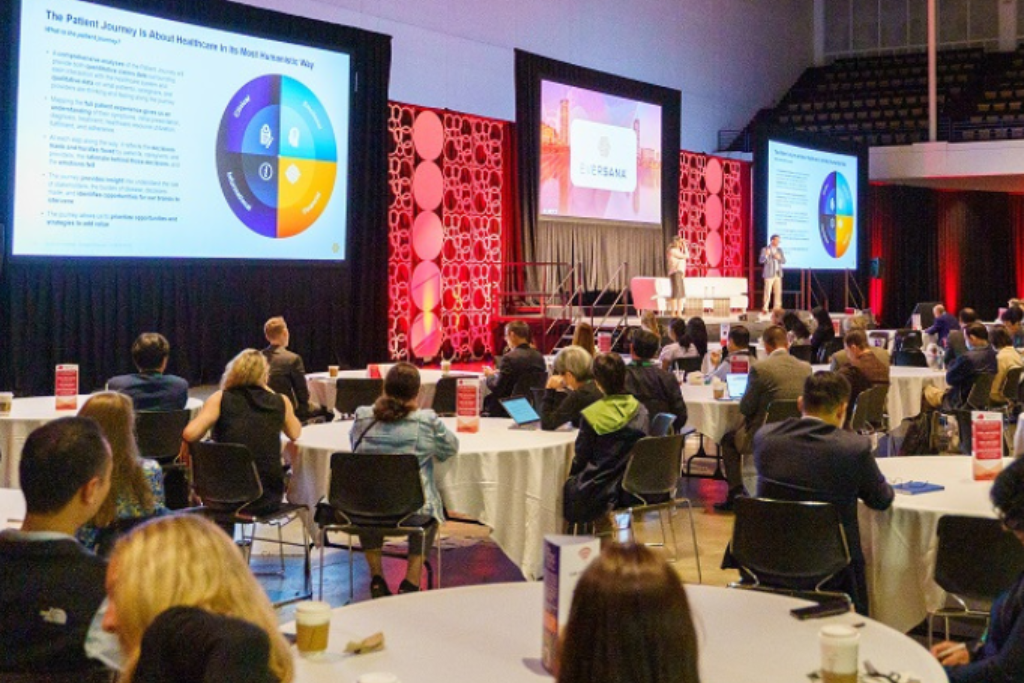
Explore the Agenda
Gain inside access to the regulatory perspectives shaping tomorrow’s market and immerse yourself in high-impact roundtables and panel debates, designed to deliver practical, actionable insights.
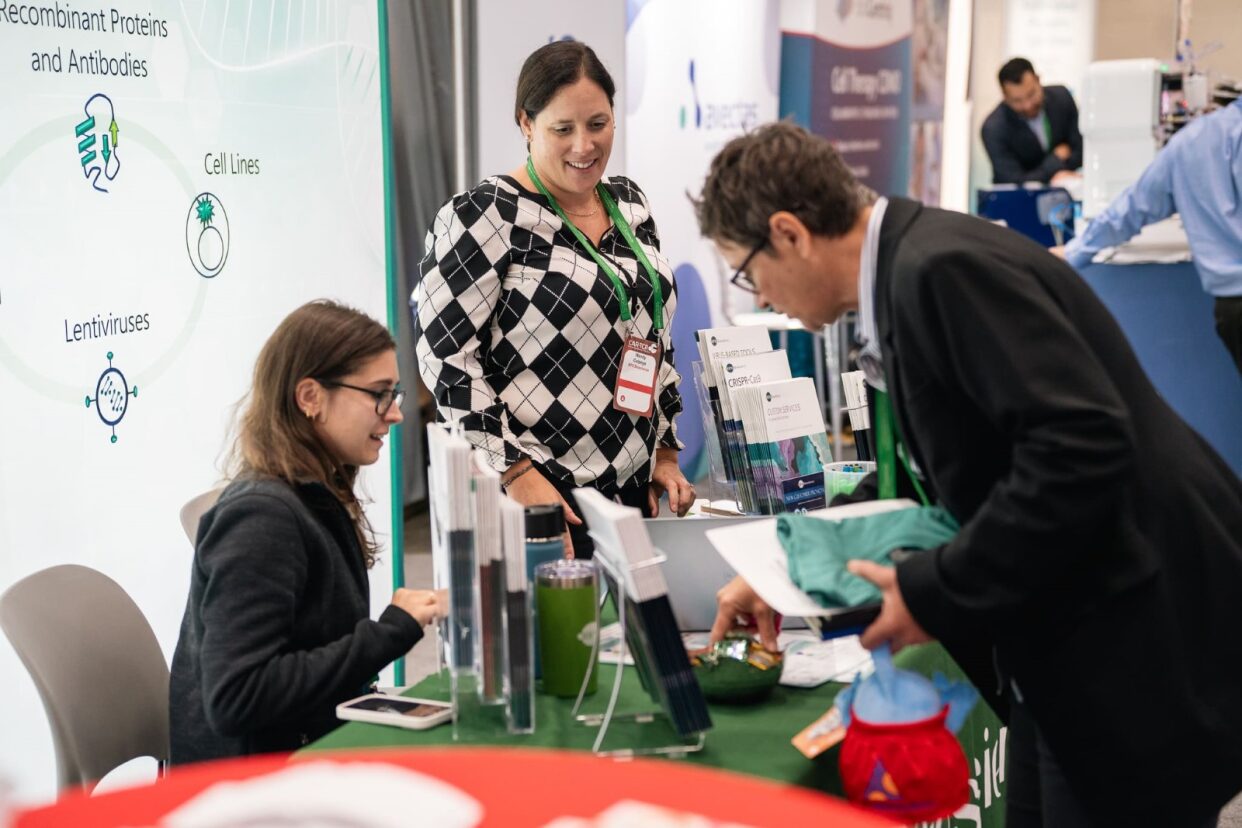
Prioritize Partnership
Spotlight your solution to the industry’s most influential agbiological developers to elevate visibility, credibility and relevance to a market hungry for scalable, trusted and field-ready technology providers.
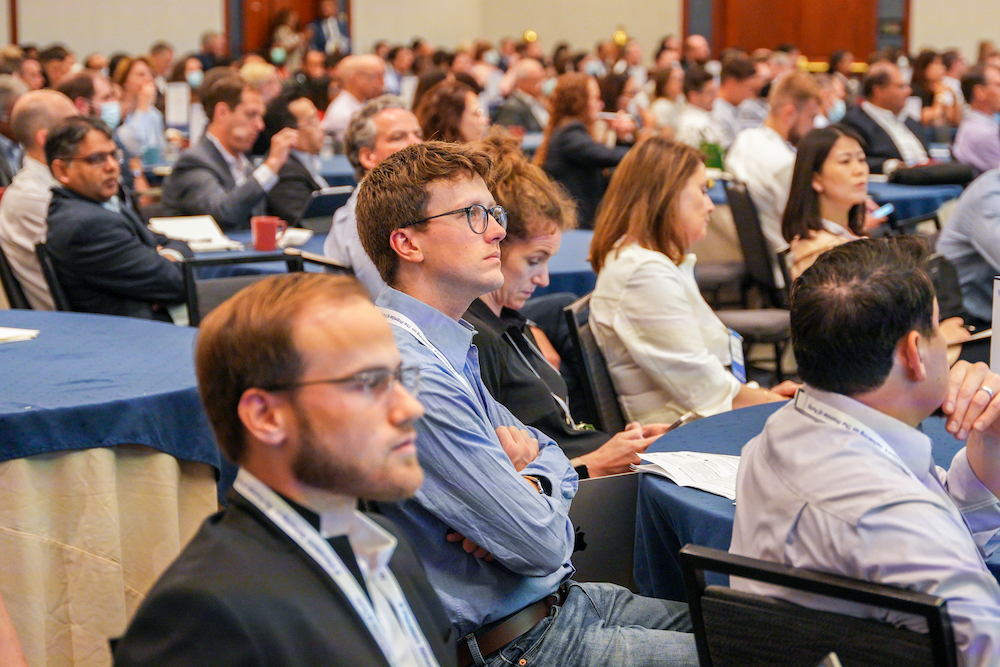
Unite with Industry Experts
Step into the conversations driving agbiological development and engage with researchers, developers, agronomists, and industry leaders, across every stage of the biological product lifecycle.